Witch Balls, Kugels, And Cloisonné: A Friendly Guide To Choosing Vintage‑InspiredOrnaments
If you love the sparkle of glass in a sunny window or the charm of a meaningful ornament on the tree, you are in the right place. Witch balls, kugels, and cloisonné pieces bring history, color, and story to your holiday decorating. This guide will help you understand what each one is, how to display them beautifully, and how to size up quality and age with simple, beginner friendly tips. Consider this your cozy walkthrough for choosing pieces you will love to give and keep.
What a witch ball is and how it is used
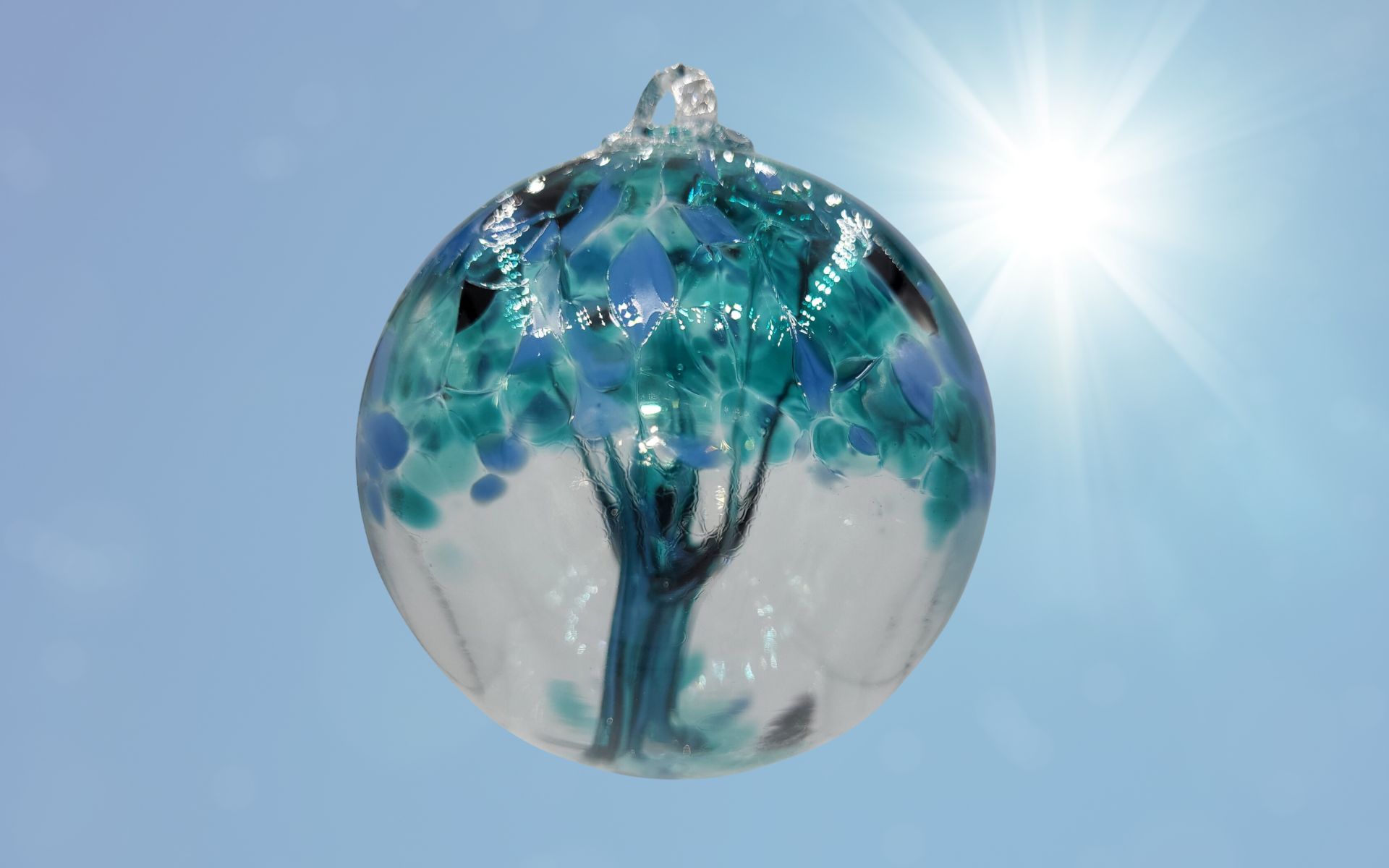
A witch ball is a handblown glass sphere rooted in centuries-old folklore and home traditions. Historically, these colorful orbs were hung in windows, near doors, or in gardens to help protect the home. The belief was that the reflective glass would trap or deflect negative energy, preventing it from entering living spaces. While those beliefs come from folklore rather than science, the symbolism of protection, intention, and mindful living continues to resonate today.
Witch balls are known for their rich colors, swirling ribbons of glass, and luminous finish that catches and reflects sunlight throughout the day. Many include a hanging loop and are made with slightly thicker glass, giving them a substantial, weighty feel. When placed in a sunny window or outdoor space, they scatter light and color in a way that feels both calming and grounding.
Today, witch balls are often used as decorative accents with meaning. Some people hang them as a nod to tradition and symbolism, while others simply love the way they bring color and movement into a space. Whether displayed indoors or out, a witch ball serves as both a striking visual element and a quiet reminder of intention, protection, and beauty in the everyday.
Where to place a witch ball for maximum magic
Placement changes the whole mood. Try these easy ideas:
- In a sunny window: Hang one at eye level and let the light play through the glass. South or west facing windows give you a warm afternoon glow.
- On a holiday tree: Nestle a kugel or witch ball near a light string, then mirror that color with ribbon or a few matching ornaments.
- On a mantel garland: Tuck smaller spheres into greenery and secure with floral wire. Mix in fairy lights for sparkle at night.
- Near a reading nook: A single orb near a plant or a stack of books gives a quiet pop of color.
- In an entryway: Arrange two or three at different heights in a window to welcome guests with cheerful color.
There is no wrong spot. Follow the light and let the glass do the work.
How to tell if glass is handblown
Handblown glass has little clues that machines do not leave. Look for:
- Pontil mark: Flip the ornament and examine the base or the area opposite the hanging loop. A slight scar, rough circle, or polished dimple often shows where the pontil rod detached.
- Subtle variations: Tiny air bubbles, a swirl line, or gentle asymmetry point to a human hand at work. Perfection can be a red flag for mass production.
- Weight and balance: Handblown kugels and witch balls tend to feel dense for their size, with thicker walls and a satisfying heft.
- Light play: The way color bands and ribbons catch light feels layered, almost liquid. As you turn the piece, the color shifts rather than sitting flat on the surface.
If you can, hold the ornament up to a window and slowly rotate it. You will see those lively details right away.
What are kugel ornaments, and how they differ from regular glass balls
Kugels are German inspired ornaments that were historically made of thick, colored glass with a metal or glass cap at the top. They are heavier than typical modern ornaments and often feature rich, saturated colors like ruby, emerald, or cobalt. Many collectors hang kugels in windows year round because that weight and color turn sunlight into pure jewel tone joy.
A quick way to spot one: feel the heft, check for thicker walls, and look for a sturdy hanging point. Modern, handblown kugels keep the spirit of the originals while being friendly to contemporary trees and window hooks.
- Simple ways to style ornaments on trees, windows, and garlands
- Trees: Mix sizes, then repeat a color three times per branch zone for balance. Place heavier kugels a bit deeper on the branch, close to the trunk, for support and a warm inner glow.
- Windows: Stagger three or five at different lengths for a floating cluster. Use clear fishing line or ribbon that echoes your room’s palette.
- Mantels: Lay a bed of greenery, add string lights, then nestle smaller spheres and a cloisonné piece or two for texture. Vary the finishes, glossy beside matte, to keep the look lively.
- Shelves: Group a witch ball with a cloisonné owl or frog and a small stack of vintage books. Odd numbers tend to look natural.
How to know if your ornaments are valuable
Value depends on maker, age, rarity, condition, and desirability. A few quick signposts:
- Maker or provenance: Signed studio work or known glasshouses often bring higher prices.
- Rarity and color: Unusual colorways, limited runs, and larger sizes can lift value.
- Condition: Chips at the pontil, cracked loops, or missing caps reduce value. Gentle patina can be fine, even welcome.
- Market demand: If collectors are currently loving a style or color, prices may reflect that interest.
If you are unsure, compare similar pieces online, note sold prices rather than asking prices, and talk with a trusted shop. For a friendly starting point, browse our selection and get a feel for current quality and pricing across styles.
Cloisonné 101, tiny artworks with holiday shine
Cloisonné ornaments and figurines are made by forming thin metal partitions, filling the spaces with colored enamel, then firing and polishing for a glossy, mosaic like finish. On a tree, they add crisp detail and a hint of luxury. On a mantel, a little cloisonné bird or frog beside glowing glass creates a rich, collected look. They make wonderful stocking stuffers, especially when you want something small, sturdy, and full of character.
Ready to explore? You can purchase thoughtful gifts and witch balls in Jacobus or in our online shop. Many pieces are one of a kind or limited in quantity, so if you see the perfect color, do not wait too long. For a whimsical enamel piece, our whimsical cloisonné ornaments are joyful gifts that travel well and fit beautifully into stockings or small gift boxes.
Why shop with Holly Oak Antiques & Gifts
We are a small, Hampstead, Maryland shop with a big love for handmade beauty. We ship carefully and honor our Fair Shipping Promise. If your shipping cost ends up being less than what you paid at checkout, we refund the difference automatically.
Final thoughts
When you are ready to bring one home or send a meaningful gift, we are here to help you find the piece that feels just right. Enjoy decorating, and happy collecting.